Wednesday, January 11, 2023

The healthcare marketing landscape in 2023

All industries are trying to keep up with “the new normal” since the pandemic but no other industry has been impacted like the healthcare industry. For the healthcare industry, the new normal is no longer new; what IS new and normal is uncertainty on how to connect with patients.

Healthcare professionals are facing both burnout and having to keep up with consumer expectations. Smith and Jones just released a report on marketing trends in the healthcare space for 2023 and you can get your free copy here. I recommend you read it and in this post, I will show you how to use the data-driven insights from the report to better market your healthcare company in 2023.

Consumer behavior in the healthcare space


When a potential consumer is engaging with a healthcare brand, they crave personalized content. It’s a marketers job to provide thought leadership content to a target audience in the right place at the right time.

Personalized content involves having your contacts segmented in your marketing automation platform. This way you can drip thought leadership content to the right demographics and your audience will be way more likely to engage with your business.

As if your medical practice didn’t have enough competition, retailers like Walmart are offering healthcare services creating a new need for the most convenient healthcare possible.

Keep in mind that your patients are most likely coming from different age demographics. While Gen Z and millennials love the ease of making online appointments, baby boomers prefer to make appointments in-person or over the phone. This means your customer service needs to be stellar.

Loyalty and profitability


Your patients are your customers and you need to give them a reason to keep coming back. Retaining a current patient is more cost-effective than using budget to get new patients. Of course we recommend that you do both, but healthcare practices often overlook the value of loyalty.

Interestingly, patients report ease of experience matters more than a provider’s college degree when choosing a healthcare practice. They value bedside manner, appointment reminders, televisits, patient portals, and even valet parking.

Make your healthcare services as accessible as possible to keep them coming back. Telehealth visits became very popular during the pandemic. Now that the pandemic isn’t as scary as it was almost 3 years ago, telehealth visits are down but not by a ton. There are many patients who still value this option when interacting with their caregiver.

2023 Healthcare marketing trends to note


Going into 2023, there are some new tools to add to your marketing toolbox to ensure that your practice remains profitable and appeals to your current and future patients. Gain the competitive edge with the following trends:
  • Growth marketing: Use actual data to shape your marketing campaigns. We have access to so much technology that the days are gone when marketers needed to guess whether or not their strategies were working. Growth marketing allows you to experiment with different strategies to continuously improve your efforts.
  • A/B testing: You’re probably used to A/B testing your email marketing efforts. And that’s great. But there are other areas that you can experiment in more so that you can test the waters before fully implementing your new creative idea. Try A/B testing your Google ads, your social media sponsorships and the video content you promote.
  • Implement texting: 98% of texts are opened so it’s a great strategy for keeping your current contacts engaged. Start with appointment reminders or refill updates. Then, experiment with implementing some marketing messaging into the content that you text.
  • Leverage testimonials: Gather quotes from your happiest patients and use them as marketing materials. Use testimonials on your website, on social media and in your email marketing. When choosing a healthcare service, patients want “social proof” that their peers value your practice.
  • Brand partners: Connect with local TV personalities and even influencers to expand brand awareness and earn media to leverage in your marketing efforts.
  • Earn awards: When potential patients are comparing healthcare practices, one thing that sticks out to them is the awards a practice has earned. There are plenty of healthcare trade publications that you can submit your business to and demonstrate your accomplishments to earn an award that you can boast about on your website.
  • Social listening: Monitor what is being said about your business on social media. It will identify brand sentiment and even surface happy patients you didn’t realize you had. Glean UGC from your social listening efforts that you can promote.
  • Geo personalization: Personalization when it comes to the location of your practice is critical when appealing to new patients. They will be searching for providers near them, if a practice is taking new patients, which services are offered at a location near them, and information about if your practice takes their health insurance.
  • Embrace digital transformation: Using the right technology such as marketing automation platforms, patient portal, EHR solutions, etc. all have the potential to streamline workflows at your healthcare business to make you more efficient. Efficiency means better patient care which means returning patients to keep your practice thriving.

Revisit your leadership philosophy and staffing challenges


Unfortunately, there is a lot of turnover in the healthcare industry and it’s impacting patient care. Staff members who have stayed at their current jobs are experiencing a double workload.

It’s blatantly apparent that healthcare professionals need to realign roles and responsibilities.

Patients are reporting unhappy experiences with their level of healthcare more than ever before. One of the reasons is that healthcare practices are understaffed. It’s very important that your practice works hard to retain the fantastic employees you already have.

When it comes to recruiting new employees, data shows that reaching potential employees works best when implemented at multiple touch points. This can be a combination of social media ads, billboards, geofencing, reaching out to employees at competing brands, and even radio.

Communication, recognition and personal connections are all crucial for keeping up morale.

Keep the communication lines open with weekly staff meetings. Give your employees a reason to stay with perks and flexible schedules.

Final thoughts: How to embrace the new normal


The new normal still feels a little new. The healthcare industry faces more challenges than ever and caregivers need to stay competitive.

Meeting current and potential patients where they are at is crucial. Implement a multi-channel marketing strategy that touches patients in different phases of their buyer’s journey.


15% Off Medical Practice Supplies


VIEW ALL


Manual Prescription Pad (Large - Yellow)


Manual Prescription Pad (Large - Pink)

Manual Prescription Pads (Bright Orange)

Manual Prescription Pads (Light Pink)

Manual Prescription Pads (Light Yellow)

Manual Prescription Pad (Large - Blue)

Manual Prescription Pad (Large - White)


VIEW ALL

Tuesday, January 10, 2023

Preparing for the retail health care revolution

Healthcare is undergoing a seismic and highly visible shift that poses a serious threat to traditional care providers. Consumer goods retailers such as CVS, Walgreens and Walmart and their web-based counterparts, including Amazon, are offering an increasing range of healthcare services, leveraging convenience and frictionless services to draw away patients from traditional providers.

While this evolution appears to have occurred quickly, these dramatic changes have been years in the making. Unfortunately, despite plenty of advanced warning, most providers are unprepared for these new threats to their business models. A 2021 survey of traditional healthcare providers by Kaufman Hall showed only 7% were rated as “Tier 1” performers in terms of their digital strategy and infrastructure for supporting healthcare consumerism, while retailers have decades of experience in honing their service models.

The prolific expansion of retail healthcare centers, coupled with our collective experience in seeking safe, accessible healthcare during COVID-19, has fundamentally altered the delivery landscape. Millions of Americans, for example, have gone to their local CVS stores to get tested for the coronavirus and/or receive COVID-19 vaccinations, circumventing the hospital or health clinic setting. Over the past two years COVID-19 testing and shots have drawn more than 32 million new customers to the retail chain’s stores

Building on new consumer habits


With more than 9,000 retail locations, and with roughly 85% of Americans living within 10 miles of at least one CVS – the company’s geographic footprint gives it a huge built-in edge in attracting healthcare consumers. Complementing its deep market penetration is its troves of data. Part of the company’s strategy is a new partnership with Microsoft to “help CVS Health accelerate a data-driven, personalized customer experience.”

CVS Health isn’t the only well-positioned retailer moving aggressively in healthcare.Walgreens now employs 85,000 healthcare professionals and, like CVS, has deployed Epic in its clinics to establish a digital infrastructure and enhance care coordination.In fall of 2021, Walgreens announced plans to invest an additional $5.2 billion and openat least 1,000 of its Village Medical clinics by 2027.

Walmart, although slower to activate in the market, brings a huge competitive advantage – a mind-boggling 90% of Americans live within 10 miles of a Walmart.Its deployment of Epic into 4,000 retail stores by 2029 and rapid expansion of clinic services will make it an easy and affordable care site for many.Retail giant Amazon, which in 2020 started rolling out telemedicine services, just announced it will expand its physical clinic presence in 20 major metro areas in 2022 with additional growth planned.

How healthcare IT leaders can respond


The convenience and cost-effectiveness offered by these market disrupters represent a tangible and unprecedented threat to traditional provider revenue streams.

The good news for providers is they also can deploy technologies and develop strategies to retain patients by meeting their needs for a superior experience. Many already have begun doing so. The Kaufman Hall study of healthcare consumerism placed 46% of traditional providers in Tier 2, nearly double the 24% in the 2019 survey. These companies, according to Kaufman Hall, have “a thoughtful approach to becoming more consumer-centric, investing in infrastructure and initiatives that are being expanded system-wide.”

That’s great progress, but make no mistake: Traditional healthcare providers are up against extremely nimble and well-financed competitors who are permanently reshaping healthcare delivery. The retail revolution not only is far from over, it’s going to accelerate rapidly.

Healthcare IT leaders can play a pivotal role in helping their organizations respond to this changing landscape to deliver a customer experience that strengthens consumer loyalty and protects market share. These include:

Make virtual care a primary service strategy. To counter the omni-channel healthcare services offered by retailers, traditional providers should offer a frictionless end-to-end patient experience including telehealth and remote patient monitoring closely coupled with primary and specialty care.Integrating virtual care into the continuum can serve as a differentiator that surpasses the easy accessibility of retail healthcare.

Build marketing partnerships. Though retail health providers often are geographically convenient, they may not have the robust complement of technology-enabled services a health system can offer consumers. That won’t matter, however, if consumers are unaware of a provider’s technology-enabled services. It’s important for IT and marketing to align in a working partnership on patient outreach and retention to promote the health system’s advanced technology as a mechanism to attract and retain patients and providers.

Make the digital journey easy for physicians, staff and patients. Providing leading digital apps and technologies to physicians, staff and patients will have little value if they are hastily deployed or not optimized. End-to-end workflows must be seamless, high-value features: For example, patient self-scheduling must be enabled across the health system for a consistent experience, data must be integrated and flow across the ecosystem and end-users must be supported through up-front training, tip sheets and ongoing support.Traditional healthcare IT leaders must equip their technical staff to support a broader array of solutions, work with training teams to ready staff to use and champion the technologies and provide high-quality “help desk” services to staff and patients, either through scaling and skilling up their internal teams or establishing a partnership with an IT managed service partner with deep competencies in serving patients and providers.This level of service can and will provide service differentiation for healthcare consumers.

Conclusion


The retail healthcare revolution poses an existential challenge to traditional providers, many of which have been slow both to embrace digital technologies and acknowledge the growing expectations of healthcare consumers for choice, affordability and personalization. By developing consumer-focused strategies that include the deployment of virtual care services and user-friendly technologies and ongoing support, traditional healthcare providers can protect their revenue streams while strengthening patient loyalty.


15% Off Medical Practice Supplies


VIEW ALL


Manual Prescription Pad (Large - Yellow)


Manual Prescription Pad (Large - Pink)

Manual Prescription Pads (Bright Orange)

Manual Prescription Pads (Light Pink)

Manual Prescription Pads (Light Yellow)

Manual Prescription Pad (Large - Blue)

Manual Prescription Pad (Large - White)


VIEW ALL

Monday, January 9, 2023

Why you should consider a private equity offer for your practice

Healthcare practitioners are feeling the squeeze.

A constellation of challenges has been making it harder to maintain a thriving, profitable practice. They didn't begin with Covid, but the pandemic accelerated trends that were already challenging the viability of smaller practices.

For one, the lockdown offered a vivid illustration of what it was possible to do remotely. The ongoing need for technology investments is the new reality. Healthcare is also suffering from a labor shortage: Nurses and medical technicians are migrating to agencies that can match them with the highest bidder, typically a large healthcare organization.

Add diminishing Medicare reimbursements and supply-chain shortages that are driving up prices for essential consumables (syringes, cotton swabs, etc.), and you have an unforgiving set of market conditions.

So how to respond? In this environment, staying small doesn’t make sense anymore. The way most practices currently deliver care will become even more costly and less effective. Smaller practices of 10 to 40 doctors have less bandwidth to make expensive changes and, some cases, they won’t survive. Private equity buyers have stepped into the fray, offering a way out for practice owners at compelling valuations. But this demand won’t last forever.

If a private equity firm makes a compelling offer for your practice, you should probably seriously consider it. Here’s what practice owners should know:

Possible buyers abound


Small practitioners who want to increase their scale and financial resources to remain financially viable have several options overall. One is a basic merger with another practice, which can achieve some economies of scale that the two independents would not enjoy on their own. Another is to be absorbed by and become an employee of a larger healthcare organization, which offers instant access to a greater level of institutional resources.

Those scenarios could make sense for some practices, but the private equity sector is emerging as an increasingly active player in the healthcare market, and can offer an enticing value proposition, particularly for practitioner-owners who are nearing retirement and looking to transition their practice.

Private equity firms typically offer a combination of immediate cash and shares of their existing business to the owner, buying the practice and folding it into a larger healthcare organization. The seller then becomes a shareholder in the combined entity and is in line for a payout upon exiting the business.

Why is now a good time to sell?


The healthcare services industry has been seeing a heavy volume of mergers and acquisitions. Deal volume in the third quarter of 2022 did dip 11% from the previous period, according to Provident, which described the market as having "normalized to sustainable levels following a record-breaking year in 2021." In the same period, however, capital investments surged by almost 76%, signaling "continued investor appetite," according to Provident.

While money is moving into the sector, it's not without limits. Amid rising interest rates and signaling from the Fed that more increases are coming, money is not getting any cheaper, so private equity valuations for healthcare practices are likely to hold steady, or even decrease in the near future, which means that if you're considering a sale, now is the time.

Valuations for healthcare practices at 11 to 14 times EBITDA weren't unheard of last year. Now a multiple of five-to-eight-times EBITDA is more typical.

How to scrutinize the offer


Even if the numbers work, practice owners should go into any transaction with their eyes open. Probably first and foremost, they need to evaluate a potential buyer to ensure that it will be a good cultural fit for the practice. Do they have the same commitment quality and service as you do?

By their nature, private equity firms make investments in businesses they believe they can make more profitable by improving efficiencies. That could take the form of investing in technology that will at once improve care and make the practice more efficient. It could also mean that they expect to increase doctors' patient loads to a level you're not comfortable with. These discussions need to happen ahead of any sale.

Practice owners should also take a close look at the employment agreement that a private equity buyer is offering. Since they’ll be merging into a larger organization and potentially working alongside other doctors, they should secure provisions that protect them from getting squeezed out or marginalized within the organization — in essence, ensuring that their new employer won't impinge on their productivity levels.

To be certain, selling a practice isn't the right move for everyone. Some practices might be able to navigate the challenges of hiring top talent in a tight market, dealing with declining reimbursements, and investing in technology. If you've been managing all that while controlling costs, maintaining a strong CAGR, and seeing a rising EBITDA, you might be well situated to remain independent.

But for the many practices that aren't in that position, a sale can make a lot of sense. One way or another, with the headwinds facing the healthcare industry, practices will either evolve or go extinct.


15% Off Medical Practice Supplies


VIEW ALL


Manual Prescription Pad (Large - Yellow)

Manual Prescription Pad (Large - Pink)
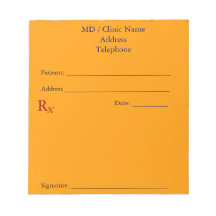
Manual Prescription Pads (Bright Orange)
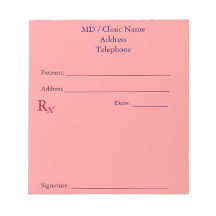
Manual Prescription Pads (Light Pink)

Manual Prescription Pads (Light Yellow)
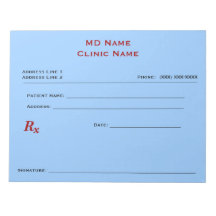
Manual Prescription Pad (Large - Blue)
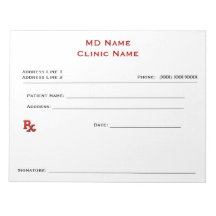
Manual Prescription Pad (Large - White)


VIEW ALL