Showing posts with label medical coding. Show all posts

Friday, December 8, 2023

Coding skills and physicians

Clinicians today are confronted with an increasing administrative burden alongside their patient care responsibilities, and a critical aspect of this burden is medical coding. This skill is crucial as it serves multiple purposes, including meeting billing standards affecting reimbursement, complying with quality metrics set by health care organizations and insurance companies, and ensuring the accuracy of diagnoses in billing records. However, the task of coding accurately can be daunting, especially with the transition to ICD-10 in 2015, which brought about a significant expansion in the number of available codes.

One major challenge clinicians face is justifying their coding choices, particularly in time-sensitive situations, such as when coding for mental health issues like depression or conducting alcohol screenings. Many clinicians grasp the importance of precise coding, not only for billing purposes but also for analyzing behavior, such as prescribing practices, clinical patterns, and the measurement of quality metrics. For instance, coding analytics may highlight instances where antibiotic prescribing patterns appear inappropriate, prompting clinicians to question whether their decision-making in patient charting truly matters. Appropriate documentation is how clinicians communicate with patients and each other and relays pertinent information regarding our thought process when making clinical decisions.Coding is not one of them but a necessary evil a clinician must embrace-and embrace well.

The question arises: can every nuance of patient care and decision-making be accurately captured in the Electronic Health Record during a busy clinic day? The reality is that excelling in medical coding and being a proficient doctor are distinct skills that require different knowledge and abilities. While there is some overlap in terms of problem-solving skills and attention to detail, coding skills do not inherently equate to clinical competence, and vice versa.

Modern EHR systems have introduced tools like wizards that facilitate proper coding if there's comprehensive chart documentation and a coding reference at hand. The recent introduction of time-based billing has indeed decreased the documentation requirements, but it still necessitates clinicians to prioritize tracking time rather than focusing on patient care. The hope is that future developments in artificial intelligence will further streamline this process, allowing clinicians to focus less on coding intricacies. After all, being a skilled coder doesn't require the empathy or bedside manners that are integral to being a good doctor.Health care institutions may benefit from hiring a coder to capture every nuance-however it still takes energy to ensure that the documentation aligns with the coding whether a coding specialist is available.

Medical education emphasizes the importance of a doctor's foundational knowledge in medical sciences, interpersonal skills, empathy, critical thinking, and the ability to make decisions in high-pressure situations. Medical schools primarily focus on imparting these essential qualities, not the nuances of medical coding. Training for such is usually on the job-or denials from insurance companies which helps to reinforce appropriate coding behavior.This can lead to missed reimbursements and require additional work to enhance coding outside of regular clinic hours. However, it's essential for doctors to recognize the time and effort required to develop coding skills and to carefully consider how coding fits into their overall professional goals and responsibilities.

While there are areas where coding skills may prove beneficial in medicine, such as health care software development, electronic health record management, or data analysis for medical research, proficiency in coding alone is insufficient to be a good doctor-but it seems we are judged on such. Nonetheless, clinicians are currently assessed and compared to their peers by insurance companies, health care institutions, and published metrics based frequently determined by their coding proficiency rather than the content of the visit or in many cases clinical skills.

Becoming a doctor involves completing rigorous medical education, training, and practical experience. It demands an in-depth understanding of human anatomy, physiology, pharmacology, pathology, and numerous other medical disciplines, as well as the ability to apply this knowledge in real-world patient care- and in today’s electronic health care system coding should also be added to the list.

In conclusion, being a proficient coder and a skilled doctor requires distinct training and expertise. While having diverse skills can be valuable, excellence in one field does not automatically translate to excellence in the other. Nevertheless, in the current health care environment, clinicians are evaluated and reimbursed based on both skill sets, making it crucial to strike a balance between clinical care and coding proficiency. Whether we like it or not, we must strive to code properly among the EHR. Add coder to one of a clinician’s multiple job responsibilities.


15% Off Medical Practice Supplies


VIEW ALL


Manual Prescription Pad (Large - Yellow)


Manual Prescription Pad (Large - Pink)

Manual Prescription Pads (Bright Orange)

Manual Prescription Pads (Light Pink)

Manual Prescription Pads (Light Yellow)

Manual Prescription Pad (Large - Blue)

Manual Prescription Pad (Large - White)


VIEW ALL


Tuesday, September 12, 2023

Coding: Physical exam vs. annual wellness visit

Question: Can you tell me the difference between an annual physical and an Annual Wellness Visit (AWV)?

Answer: While both types of exams have prevention in mind, there are many differences between them.

An annual physical is a more extensive exam than a Medicare Annual Wellness Visit. A typical annual physical is a “hands-on” type of visit, including a physical exam and any blood work or lab tests that may be part of the exam or necessary for the patient’s chronic stable problems.

Alternatively, the AWV is a “hands-off” risk assessment.The purpose of the AWV is to identify gaps in care, improve the quality of care that a provider delivers, and help paint a picture of a patient’s current state of health to create a baseline for future care.


What’s Included in a Physical Exam?


An annual physical exam is an assessment of your body’s health. The primary purpose is to look for health problems.

During the exam, your doctor uses his or her senses – mainly sight, touch and hearing – to gauge how your body is performing. Based on what’s learned, your doctor may ask you to have tests to discover or rule out possible health problems.

The list below shows some of the things a physician may do during a physical exam.

Visually check the patient’s body overall for signs of existing health issues:
  • Perform an exam of the patient’s eyes, ears, nose and throat for potential problems
  • Listen to the patient’s heart and lungs to detect irregular sounds
  • Test motor function and reflexes
  • Perform pelvic and rectal exams
  • Measure height, weight and blood pressure

Submit or order urine and blood samples for lab testing, for screening purposes and for ongoing chronic conditions

As a rule, Medicare does not cover an annual physical. The exam and any tests your doctor orders are separate services, and you may have costs related to each depending on your Medicare plan.


What’s Included in a Medicare Wellness Visit?


A Medicare AWV, also called a wellness exam, is an assessment of the patient’s overall health and well-being. The primary purpose is prevention – either to develop or update the patient’s personalized prevention plan. Medicare covers an AWV once every 12 months (11 full months must have passed since your last visit), and patients are eligible for this benefit after they have had Part B for at least 12 months.

During the exam, a physician or APP (usually a primary care provider) combines information from the visit with the patient’s medical record to gauge your risk for common preventable health problems such as heart disease, cancer and type 2 diabetes. Based on what’s learned, your doctor creates your personal prevention plan with a checklist of screenings you need to have.

The list below shows what should be performed during a wellness exam.

Review your health risk assessment (questions you answer about your health)
  • Confirm patient’s medical and family history
  • Record current medications (including prescriptions and over the counter medications) and providers
  • Measure and document patient’s height, weight and blood pressure
  • Look for signs of memory loss, dementia, frailty, depression, stress, pain and fatigue
  • Review behavioral risks, including tobacco use, physical activity, nutrition, oral health, alcohol consumption, sexual health, motor vehicle (i.e., seat belt use), and home safety
  • Assess activities of daily living (ADLs)
  • Document patient’s health risk factors and treatment options, including referrals to education and counseling programs
  • Provide personalized health advice
  • Develop a screening schedule (like a checklist) for the preventive services recommended for you
  • Review potential risk factors for Opioid Use Disorder (OUD)
  • Screen for potential Substance Use Disorders (SUDs)
  • Advance Care Planning (e.g., living will, health care power of attorney), if patient chooses to

Medicare Part B covers an Annual Wellness Visit and many preventive screenings with no copay or deductible. However, you may have to pay a share of the cost for certain recommended tests or services.


15% Off Medical Practice Supplies


VIEW ALL


Manual Prescription Pad (Large - Yellow)


Manual Prescription Pad (Large - Pink)

Manual Prescription Pads (Bright Orange)

Manual Prescription Pads (Light Pink)

Manual Prescription Pads (Light Yellow)

Manual Prescription Pad (Large - Blue)

Manual Prescription Pad (Large - White)


VIEW ALL

Thursday, August 17, 2023

Medical Coding: Unbundling and undercoding

Q: What are the most common coding mistakes physicians make?

A: As I work with providers across the country, I’ve found many challenges in accurately using current procedural terminology (CPT) and International Classification of Diseases, Tenth Revision (ICD-10) codes. Each time I work with a new office, I find that the same questions and problems are shared by all of us. I’ve broken down some of the challenges that seem to cause sleepless nights.


Not coding to the highest level


For ICD-10 coding, a coder’s job is to code to the highest level of specificity. This means detailing and abstracting the most information out of the medical reports from the provider and taking accurate notes. It also means knowing the medical terminology for both procedures and diagnoses. Check your ICD-10 to ensure that each code assigned has the required number of digits. Not having the right number can lead to a rejected or denied claim.


Not having access to the provider


Ideally, every coder would be in constant contact with the provider they’re coding for. Unfortunately, that’s not always the case. Providers aren’t always available to consult on difficult-to-understand claims, and it might take some time to clarify the coding issues. If you aren’t able to query the provider, less-specific or unspecified codes may need to be billed, which could lead to denials.


Failing to use current or updated code sets


The organizations that maintain the three principal medical coding code sets — the World Health Organization for ICD-10, the American Medical Association for CPT, and the Centers for Medicare & Medicaid Services for Healthcare Common Procedure Coding System (HCPCS) — update these manuals yearly. Each year, the CPT and HCPCS books are updated January 1 and the ICD book is updated October 1. It’s up to coders to learn any new, revised or deleted codes as they come out and to use them correctly. This is partly why professional organizations such as the AAPC and American Health Information Management Association require members to complete a certain amount of educational credits every two years. Keeping your skills sharp is imperative.


Having bad or missing documentation


Of course, not coding to the highest level isn’t always the coder’s fault. In some cases, the provider hasn’t documented enough specific information for a diagnosis or procedure. Providers may leave important details in their note that are needed to correctly choose a diagnosis, service or procedure. This problem is exacerbated by the next trouble spot on the list.


Unbundling


Unbundling means separately coding procedures that would normally be included in one umbrella code.

This can be due to a misunderstanding or an effort to increase payment. Unbundling is closely related to upcoding, in that it involves false reporting designed to earn the provider a higher payout from a payer. Be sure to check the National Correct Coding Initiative to see if two CPT codes can be billed together and read the description of each CPT code thoroughly to avoid unbundling.


Undercoding and overcoding


Undercoding occurs when codes fail to capture all work performed. This is often due to oversight, but some practices intentionally undercode to avoid an audit. This is not recommended because it results in substantial lost revenue and creates skewed claims data that ultimately lower reimbursement rates.

Overcoding occurs when reporting CPT or HCPCS codes that result in a higher payment than warranted for services provided. Whether intentional or unintentional, overcoding is inappropriate or even fraud, and it can trigger an audit.


15% Off Medical Practice Supplies


VIEW ALL


Manual Prescription Pad (Large - Yellow)

Manual Prescription Pad (Large - Pink)
Manual Prescription Pads (Bright Orange)
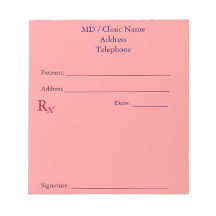
Manual Prescription Pads (Light Pink)

Manual Prescription Pads (Light Yellow)
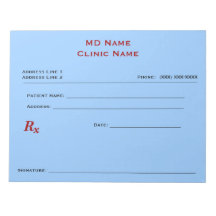
Manual Prescription Pad (Large - Blue)
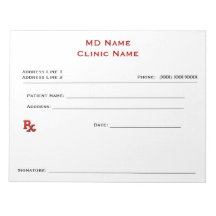
Manual Prescription Pad (Large - White)


VIEW ALL