If you want new employees to perform well, you have to get them off to a good start. This means getting help from your team. Assign them the task of bringing their new teammate up to speed, and have them share “collective responsibility” for his success. Ask one person to act as a sponsor, and designate her to be the go-to person for when the new teammate runs into problems. This is good for the sponsor, who gets an opportunity to demonstrate leadership skills, and the new employee, who can get feedback without having to worry about asking his new manager questions. Remember that the smallest things count. You want to make the onboarding experience memorable in a positive way — ask team members to coordinate so the new teammate doesn’t eat lunch alone the first week.
Monday, September 28, 2015
Sunday, September 27, 2015
How to Tell a Good Failure from a Bad One
Not all failures are bad — some of them are actually good because of the valuable learning opportunities they present. Dividing your organization’s failures into three categories will help you distinguish the good, useful failures from the bad, useless ones:
15% Off All Business Cards
- Preventable failures in predictable operations. These are caused by inadequate training, inattention, or lack of ability. They’re easy to diagnose and fix — by using a checklist, for example — but they’re not very useful.
- Unavoidable failures in complex systems. Small process setbacks are inevitable, so considering them failures is counterproductive. They can usually be averted by following best practices for safety and risk.
- Intelligent failures at the frontier. These good failures happen as a result of forward-thinking innovation. They provide valuable knowledge that can help you get ahead of the competition. But they can become bad failures if your organization starts working at a larger scale than is necessary.
15% Off All Business Cards
VIEW ALL
$44.25
$58.55
$68.95
$65.40
$60.05
How To Become a Better Learner at Work
Research has found that learning agility — the ability to grow and to use new strategies — is a good indicator of whether someone can be a high performer. Learning-agile employees are able to jettison skills and ideas that are no longer relevant and learn new ones that are. To cultivate learning agility in yourself, try
- Innovating. Seek out new solutions. Repeatedly ask yourself “What else?” and “What are more ways I could approach this?”
- Performing. When faced with complex situations, look for similarities to your past projects. Practice calming techniques, and listen instead of simply reacting.
- Reflecting. Seek out input from others. Ask colleagues what you could have done better.
- Risking. Look for “stretch assignments” where success isn’t a given.
- Avoid defending. Acknowledge your failures and capture the lessons you’ve learned.
Custom Business Cards
10% Off!
Saturday, September 26, 2015
How To Recognize When You’re Being Too Stubborn
Being stubborn isn’t always a bad thing. But if you’re standing your ground for the wrong reasons (like if you hate to be wrong), you’ll do more damage than good. Since it’s hard to recognize stubbornness in yourself, look out for these signs that you’re being inflexible:
- You keep at an idea or plan, or insist on making your point, even when you know you’re wrong.
- You do what you want to do even if no one else wants you to do it.
- When others present an idea, you tend to point out all the reasons it won’t work.
- You visibly feel anger, frustration, and impatience when others try to persuade you of something you don’t agree with.
- You commit halfheartedly to others’ requests because you know you’re going to do something entirely different.
Custom Business Cards
10% Off!
Friday, September 25, 2015
How To Recognize Your Employees' Achievements
One of the top complaints we have about executives is that they don't recognize our achievements. Leaders have to actively build a sense of connectedness with their employees, and this starts with expressing appreciation.
- Notice employees’ unique contributions. Say something that highlights something specific: “I appreciate the way you pull in people from other departments to reach your team goals — you’re a connector.”
- Thank people personally and publicly. Daily interactions — from the elevator to the parking lot — are opportunities to show appreciation for your employees’ efforts. Public recognition at a staff meeting, or a thoughtful “thank you” in a newsletter or e-mail, are also meaningful.
- Ask, "What do you think?" Give people the opportunity to express themselves and be recognized for their ideas. Proactively ask employees, “How do you think we could improve?” and “What is keeping us stuck?”
Custom Business Cards
15% Off!
Thursday, September 24, 2015
How to Plan a Team Offsite That Actually Works
A successful team-building offsite can help employees develop new ways of communicating and collaborating. But many of these meetings are ineffective. To create an offsite that will have positive, enduring effects:
15% Off All Business Cards
- Create an agenda. For example, 1) We'll reflect on past performance to consider what the team has done well and what we could have done better, 2) Discuss current opportunities and challenges, and 3) Create strategic plans for the future.
- Set ground rules. People should be able to speak up and constructively challenge one another without any fear of reprisal.
- Plan activities that actually build the team. Cooking a meal together, for example, genuinely builds a sense of interdependence and collaboration, as does public service and volunteer projects.
- Schedule follow-up. A subsequent offsite or check-in meeting can help ensure that the team stays focused on making progress and sustaining positive change.
15% Off All Business Cards
VIEW ALL
$44.25
$58.55
$68.95
$65.40
$60.05
Tuesday, September 22, 2015
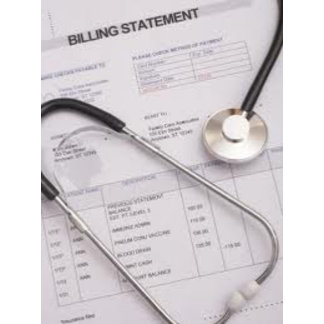
How to Keep High Deductible Health Plan Patients Coming to Your Practice
How will the trend for more and more people with high-deductible health insurance plans affect your physician practice? After all, some experts predict patients paying a greater share of medical expenses could hesitate to come for care as often if — financially speaking — there’s more on the line for them.
Education is a great strategy to keep these patients healthy and engaged in their care.
The time you put into informing patients could pay off in the long term for their outcomes, as well as for the health of your medical business. Remember these high-deductible plans are new to many people, including the estimated 17 million more Americans with insurance since passage of the Affordable Care Act.
First off, the traditional question for patients is changing from ‘Do you have insurance?’ to ‘What kind of insurance do you have?’ as Medical Economics points out.
#2. Collect Co-Pay or Co-Insurance at Point of Care. When patients ask how much a service will cost and agree to go forward, it’s a perfect opportunity for your staff to ask how they’d like to pay for their co-pay or co-insurance. Collecting up front will also save you from sending patient statements and collection reminders. It can also help keep your medical group revenue strong.
#3. Stress the Importance of Regular Healthcare. Research from the Rand Corporation suggests high deductible plans prevent some patients from seeking preventive care. Even though you already counsel patients on wellness and prevention, you may need to really emphasize the importance of regular screenings and annual exams. Point out that many of these plans cover preventive services regardless of the deductible, including cancer screenings, diabetes testing and childhood immunizations.
If you’re experiencing a higher number than usual of appointment cancellations, check your practice data to find out if a high percentage carry high-deductible plans. If this is the case, emphasize the importance of regular health monitoring when you send out appointment reminders.
#4. Be ready When They Ask for a Discount or Payment Plan. Many web sites suggest self-pay consumers and those with high-deductible plan patients ask for a negotiated fee. Generally, you have more freedom on what to charge cash-paying patients. In contrast, most insurance contracts state physicians must charge a negotiated rate for services. Some insured patients might even present themselves as uninsured to pay less, according to SelfPayPatient.com. Also, decide in advance how and when you want to offer a payment plan to patients if they ask.
#5. Continue the Education. Recommend reputable sites to help patients navigate the complexities of their high deductible plan features. For example, fairhealthconsumer.org offers this easy-to-understand information for patients: Understanding High Deductible Health Plans. MVP Health Care’s consumer-friendly video helps people understand the differences between a deductible, copay and co-insurance in less than three minutes. Forbes also includes useful answers in their ‘Should I Chose a High or Low Deductible Insurance Plan?’ article.
Education is a great strategy to keep these patients healthy and engaged in their care.
The time you put into informing patients could pay off in the long term for their outcomes, as well as for the health of your medical business. Remember these high-deductible plans are new to many people, including the estimated 17 million more Americans with insurance since passage of the Affordable Care Act.
First off, the traditional question for patients is changing from ‘Do you have insurance?’ to ‘What kind of insurance do you have?’ as Medical Economics points out.
When you find out they have a high-deductible plan, keep these strategies in mind:
#1. Be as transparent as possible on pricing. Train your staff on how you want them to answer questions about pricing of your services over the telephone and in person. In the era of consumer-driven healthcare, more patients will be “shopping around” based on price. And when they’re in your exam room, patients are more likely to ask for a comparison of charges if you recommend different diagnostic or treatment options.#2. Collect Co-Pay or Co-Insurance at Point of Care. When patients ask how much a service will cost and agree to go forward, it’s a perfect opportunity for your staff to ask how they’d like to pay for their co-pay or co-insurance. Collecting up front will also save you from sending patient statements and collection reminders. It can also help keep your medical group revenue strong.
#3. Stress the Importance of Regular Healthcare. Research from the Rand Corporation suggests high deductible plans prevent some patients from seeking preventive care. Even though you already counsel patients on wellness and prevention, you may need to really emphasize the importance of regular screenings and annual exams. Point out that many of these plans cover preventive services regardless of the deductible, including cancer screenings, diabetes testing and childhood immunizations.
If you’re experiencing a higher number than usual of appointment cancellations, check your practice data to find out if a high percentage carry high-deductible plans. If this is the case, emphasize the importance of regular health monitoring when you send out appointment reminders.
#4. Be ready When They Ask for a Discount or Payment Plan. Many web sites suggest self-pay consumers and those with high-deductible plan patients ask for a negotiated fee. Generally, you have more freedom on what to charge cash-paying patients. In contrast, most insurance contracts state physicians must charge a negotiated rate for services. Some insured patients might even present themselves as uninsured to pay less, according to SelfPayPatient.com. Also, decide in advance how and when you want to offer a payment plan to patients if they ask.
#5. Continue the Education. Recommend reputable sites to help patients navigate the complexities of their high deductible plan features. For example, fairhealthconsumer.org offers this easy-to-understand information for patients: Understanding High Deductible Health Plans. MVP Health Care’s consumer-friendly video helps people understand the differences between a deductible, copay and co-insurance in less than three minutes. Forbes also includes useful answers in their ‘Should I Chose a High or Low Deductible Insurance Plan?’ article.
Medical Office Supplies
10% Off - Ends Thursday
Subscribe to:
Posts (Atom)