Friday, August 7, 2020

How to evolve your patient communication strategy during COVID19

Practices across the country, from primary care to specialties, are struggling to keep up with the constantly changing landscape brought on by the coronavirus pandemic. While cases are declining in some areas, thus allowing practices to open up to patients who feel more comfortable to come in, other areas are seeing cases skyrocket and impacting how, when, and where they can deliver care. Given this uncertainty and rapid rate of change, one thing that practices can and should prioritize is engaging and communicating with their patients.

The way we communicated with patient communities pre-COVID is likely no longer enough to keep them engaged, calm their fears, and inform them of changes to practice hours and policies. Therefore, it’s important to review and update that strategy to ensure its relevance for today’s landscape and that it’s flexible enough to evolve as that landscape (inevitably) shifts.


Three pillars to every strategy


When it comes to building a patient communications strategy, there are three core pillars that are important for your practice to design around: Educate, identify, and treat.

These pillars provide a structure for ensuring every patient is a part of your practice’s engagement process, even if each is not relevant to them right now. For example, a patient may not currently require treatment, but they do need to be educated about COVID-19 prevention and best practices for healthy behaviors.


Educate


There are many within your patient community that have likely not been seen by your practice recently, nor are in need of care right now. That doesn’t mean it’s not important to communicate with them. In fact, it’s critical to connect with all patients to share best practices, keep patients healthy, and address any misconceptions.

As numbers of cases fluctuate in cities and states, you can be the source of accurate and reliable information about evolving prevention practices based on the local situation. By educating your patient community, you can help ensure they are prioritizing their personal and family’s health.

For example, you can send a text message that targets patients with a specific condition that puts them at higher risk of complications from COVID-19:


“PATIENT NAME, given your history, you are at higher risk of getting a complication if you were to get sick with the novel coronavirus. We recommend you take extra precautions during the outbreak by doing your utmost to avoid contact with others. Please click here for more details.”


Identify


Of the entire patient population under your clinic’s care, a subset of patients may experience symptoms that indicate a COVID-19 infection. It is critically important to determine which of these patients have a more common illness such as the flu, and which patients are infected with COVID-19.

You can leverage tools that enable you and your team to identify and triage those patients who are infected. And, in those parts of the U.S. where the virus is more widespread, you might want to conduct broader screening.

For example, you can send a message to screen patients for symptoms:

“You are living in a high-risk area for the novel coronavirus. To help us take better care of you and prevent unnecessary complications, please fill out this short questionnaire. “If you have a cough, fever, and difficulty breathing, please call {facility phone number} to speak with a nurse.”


Treat


Those patients who are identified as having a COVID-19 infection need to be triaged appropriately to ensure they receive the proper care while reducing the risk to other patients and practice staff. One way to do that, of course, is via telehealth. With a virtual care delivery tool or suite of tools, the care team can monitor a patient’s symptoms to see if they are worsening or if they require in-person treatment.

Beyond COVID-19 patients, a “hybrid” model—mix of face-to-face and virtual care—is critical to treating a practice’s patient community. In order to identify which patients should receive which kind of care requires the education and identification described above.

A communication strategy today should not just push messages to a practice’s patient community, but should enable them to communicate directly with their care team. Tactics should be built on a foundation of the three pillars: Educate, identify and treat. If you design and execute a strategy with those at the core, you can enable a patient community built on trust, collaboration and openness.

Medical Practice Supplies


VIEW ALL


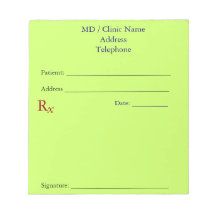
Manual Prescription Pad (Large - Yellow)


Manual Prescription Pad (Large - Pink)

Manual Prescription Pads (Bright Orange)

Manual Prescription Pads (Light Pink)

Manual Prescription Pads (Light Yellow)

Manual Prescription Pad (Large - Blue)

Manual Prescription Pad (Large - White)

VIEW ALL

Tuesday, August 4, 2020

Three ways healthcare facilities are rebounding from COVID-19

The impacts of COVID-19 on healthcare have been far reaching with no immediate end in sight. The stresses this pandemic have put on medicine, however, haven’t changed the medical needs of millions of Americans. As elective care starts to return, we spoke with several organizations around the country to see how they’re meeting the needs of their patients and employees.


Telehealth is becoming a legitimate tool


The rise of telehealth is an unexpected benefit from the crisis and many facilities have shifted from no virtual appointments to making it a regular part of their practice. One unique use of telehealth came from Tim Putnam, CEO and president of Margaret Mary Health in Batesville, Indiana. They had an existing telehealth relationship with their school system so doctors could see students with the help of technology and school nurses. When schools shut down due to Covid-19, they were able to utilize that technology to create a temporary respiratory clinic.

“In a rural area it’s tough because internet capabilities are really poor in many of our areas. But we’re thinking right now about remote sites,” said Putnam. “So, if I’ve got a medical assistant and a great internet connection, can a patient visit there instead of going to their primary care physician? I mean, other than the physician not being physically there, my technician or my medical assistant’s there who can draw blood, get vital signs, position the camera appropriately to get an image of an ear or throat or something else. There’s a lot of stuff where we met flat resistance beforehand, now we know it works, so how do we optimize it?”


Gary Roth, DO, chief medical officer for the Michigan Hospital and Health Association and a board-certified cardiothoracic surgeon, found that his physician colleagues were quick to embrace telehealth and that most are looking at ways to further embrace it. One of the groups within the association went from 100 virtual patient visits a day before the pandemic to as many as 2,000 visits a day after.

Byron Wade vice president of UPMC Presbyterian in Pittsburgh, shared the unique way they’re using telehealth, in which they “offer telehealth critical care services to New York Presbyterian, along with other hospitals inside of our system. I think that's going to be another way that [the industry] sees telehealth grow—not just yourself and not just outpatient, but how can you help others.”


Regaining public trust


One of the biggest issues with starting elective procedures is letting patients know that it’s safe for them to come back to the hospital or clinic. Austin Gillard, CEO of Clay County Medical Center in Kansas said:

“I believe patients and consumers are going to be cautious to step into a hospital. It’s already unsettling for them, so I think perception is really going to hinder the things we do in healthcare during this pandemic.”

To help regain patient confidence, they’ve been posting on Facebook and other social media outlets outlining what patients can expect when they come in. They’re also providing patients with masks if they need them.

Dr. Roth found that while his facilities were ready to ramp back up, patients weren’t ready to return. The association started a series of public service announcements with local media outlets to reinforce that it’s safe to come back and to not put off needed care. Communication has been key in building patient confidence and getting them to return, Roth said.


Better employee engagement


With layoffs, furloughs, and a pandemic, this is as stressful a time for healthcare workers as it is for patients. Maintaining clear communication with employees is key—keeping them updated on what is going on will help to calm fears. Creating more flexibility during this time is also important to keep your employees engaged.

At CompHealth, we found we needed to communicate more often than we were used to. The CEO of our parent company implemented weekly video chats with the entire company as well as sending out regular messages about the status of our business and working from home.
Whether you’re meeting in person or virtually, it’s important to create avenues to both share information and receive feedback from employees.

Healthcare facilities are implementing similar efforts. Austin Gillard said. “I feel like I’ve increased my daily presence through department rounding dramatically. I’m out on the floor more seeing how everyone’s doing, just for their mental health, because I feel like it’s not only challenging for them at work, but their lives have changed. When I talk with our team members, everyone tries to seem happy. A lot of them aren’t used to having their kids home as school has moved online, so they’ve had to adjust their own lives.”

Whether you’re meeting in person or virtually, it’s important to create avenues to both share information and receive feedback from employees. Surveys or anonymous comment forms on your intranet are another way to keep the pulse of your employees and learn how they’re handling the pandemic, their work, and their personal lives. Listening and implementing changes based on what you’re hearing will help keep your employees engaged in their work while staying focused on your patients.

Medical Practice Supplies


VIEW ALL


Manual Prescription Pad (Large - Yellow)


Manual Prescription Pad (Large - Pink)

Manual Prescription Pads (Bright Orange)

Manual Prescription Pads (Light Pink)

Manual Prescription Pads (Light Yellow)

Manual Prescription Pad (Large - Blue)

Manual Prescription Pad (Large - White)

VIEW ALL

Monday, August 3, 2020

Bringing normalcy back to elective hospital procedures

Elective surgeries are the lifeblood of hospitals and health systems, accounting for 60% of total hospital revenue.

But that revenue dried up over a two-week span in March, as the nation came to grips with the COVID-19 pandemic. Hospitals in coronavirus hotspots cancelled surgeries to protect the public and conserve resources, and other hospitals in non-affected or slightly affected areas quickly followed suit as ventilators and personal protective equipment (PPE) became scarce.

The industry is losing an estimated $50 billion a month through reduced use of hospital facilities, so it’s imperative that some semblance of normalcy return to healthcare—and soon.

As the first wave of infections has now abated somewhat, hospitals are taking cautious steps toward reopening their surgical wings for elective procedures to clear backlogs and start revenue flowing again. This is a hospital-by-hospital or region-by-region decision since infection rates and testing protocols still vary widely.

No hospital has been immune to the financial crunch of canceled surgeries and higher labor and equipment costs to treat infected patients, so getting the recovery right is critical. Mobile apps can be part of that recovery effort, to screen patients and employees for potential coronavirus risk and to help patients adequately prepare for procedures to reduce cancellation rates. Apps also can be used as effective communication tools to encourage patients to return to the health system for routine screening and care for chronic conditions.

Coronavirus tanks meager hospital profits


In the best of times, hospitals operate on razor thin margins, with an industry average earnings before interest, tax, depreciation and amortization (EBITDA) of under 2%. A Kaufman Hall report on hospital profits in March, which reflects just a half-month downturn in most geographies, shows that EBITDA dropped 13 percentage points from March 2019. That means a modest profit a year ago plunged into an ocean of red ink 12 months later. Figures for April are expected to be much worse during a month when few hospitals performed elective procedures.

Health systems have long been dealing with rising costs for labor, equipment, supplies and medications, as well as the continued move from fee-for-service contracts in favor of value-based care. Hospitals have been offsetting rising costs through even greater productivity gains, but the fallacy of that became clear as facilities began running out of PPE and supplies soon after the virus hit.

Losing 60% of your revenue stream seemingly overnight while costs skyrocket is never a recipe for success. That’s why hospitals are looking to restart elective services—stat.


4 obstacles that hospitals must surmount


A rebound in COVID-19 cases as cities, regions and states open back up remains a possibility, which is why hospitals should proceed slowly with the resumption of elective procedures. Executives should keep the following four issues in mind.


Increasing testing capacity. A survey taken in late April indicates that nearly 90% of hospitals plan to test patients perioperatively, but that only 27% were currently able to do so. The main barriers to increased testing are shortages of reagents and testing swabs.


Further, 80% said they intended to screen all employees for the coronavirus before resuming elective procedures but only one-third believed they could obtain enough tests for their clinical staff to do so. Overall, respondents believe testing capacity would need to double before elective procedures could resume fully.


Easing patient concerns. As the pandemic hit, patients who believed they had the virus were encouraged to stay at home unless their breathing was impacted. In addition to halting elective procedures, many medical practices closed for patients except for those with emergent conditions. As a result, hospital volumes for non-COVID-19 cases dropped sharply as people managed on their own.


Now that the messaging has changed from stay at home to come on in, how do providers communicate a very different message from just weeks earlier, especially to those with chronic conditions?


Managing a surge, personnel (or not). No one can predict whether pent-up demand for elective surgeries and delayed procedures will overwhelm hospitals or keep operating room suites and procedure rooms empty. Much will depend on local conditions and how well a facility can get its message across.


The availability of personnel is also a concern. If your facility has seen many coronavirus patients, your front-line staff likely have been working insane hours and need time to rest, recuperate and reconnect with family and friends.


Becoming more efficient. By the time hospitals reopen fully, the potential case backlog could exceed 45 days. Because cashflow has been severely affected, facilities want those folks to return, making efficiency critical for both providers and patients. Efficiency benefits providers and facilities through fewer costly cancellations or preventable readmissions while optimizing surgical and procedures rooms and personnel. Patients benefit by being properly informed and ready for their procedures, receiving the care they need without delay.


How technology can help


Smartphones are nearly ubiquitous among American adults, including those 65 and older. Apps are the preferred way people interact with their phones, using nine apps every day and 30 different apps in a month. A healthcare app from the local hospital or health system is a natural fit among people who are interested in their health. Hours, locations of urgent care clinics, ER wait times, physician directory, driving directions and more are common features of provider-specific healthcare apps.

To help ease the procedure backlog, create efficiencies and save money through fewer cancellations and preventable readmissions, providers can “prescribe” a perioperative app that educates patients and helps them get ready for their procedures.

Nearly three-quarters of same-day cancellations are attributable to inadequate patient preparation, and a modest improvement in the no-show rate can save facilities $199 per procedure. Likewise, a mobile app that clarifies patient discharge instructions has been shown to reduce preventable readmissions by $101 per procedure.

Hospitals and health system that have Epic or Cerner electronic health records (EHR) systems can find perioperative mobile apps that can be easily integrated into workflows. Instead of a staff member having to call each patient, imagine them calling only those patients who haven’t checked off perioperative tasks on their app checklists.

The app can include information about the procedure, educational materials, post-care instructions and a checklist of items that need to be completed before showing up on the day of the procedure. Time to stop warfarin? A tick mark appears next to the app as a reminder. Check the item off, and the tick mark disappears. Information from apps flows to the patient record where data can be rolled up into a dashboard so staff can manage the exceptions.

Other apps on the market are helping hospitals manage the pandemic through proactive communications and authoritative information for employees or the community. Apps can also be used to screen workers and patients for potential COVID-19 symptoms.

Like other industries, healthcare isn’t expected to suddenly return to normal. Normalcy will come only through time and a concerted effort by healthcare executives to make it happen. Mobile apps can be part of the recovery process.


Medical Practice Supplies


VIEW ALL


Manual Prescription Pad (Large - Yellow)

Manual Prescription Pad (Large - Pink)
Manual Prescription Pads (Bright Orange)
Manual Prescription Pads (Light Pink)

Manual Prescription Pads (Light Yellow)
Manual Prescription Pad (Large - Blue)
Manual Prescription Pad (Large - White)

VIEW ALL

Sunday, August 2, 2020

The Executive Suite: School Hall Pass Notepads

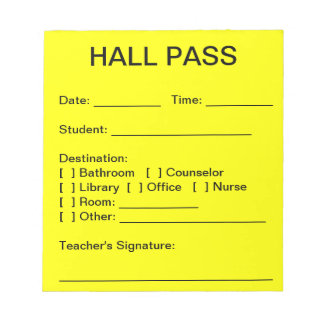
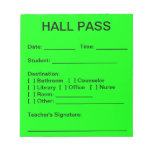
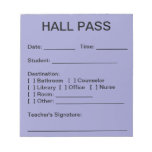
The Executive Suite: School Hall Pass Notepads: A great way to keep an eye on student movements outside the classroom and improve school safety. Our hall passes have room for the date, st...

School Hall Pass Notepads

A great way to keep an eye on student movements outside the classroom and improve school safety. Our hall passes have room for the date, student name, destination, departure time, and the teacher's signature.

VIEW ALL

VIEW ALLHall Pass Pad Memo Notepads